Intuitions
The finger of God – this is often how I explained my stubborn pursuit of my career path. I am a man of many talents. My friends are accustomed to being confronted with a sense of uncertainty about what I am currently doing. Nevertheless, the story of my shoemaking career is unique on every level. And that's what we'll discuss here...
Symmetry
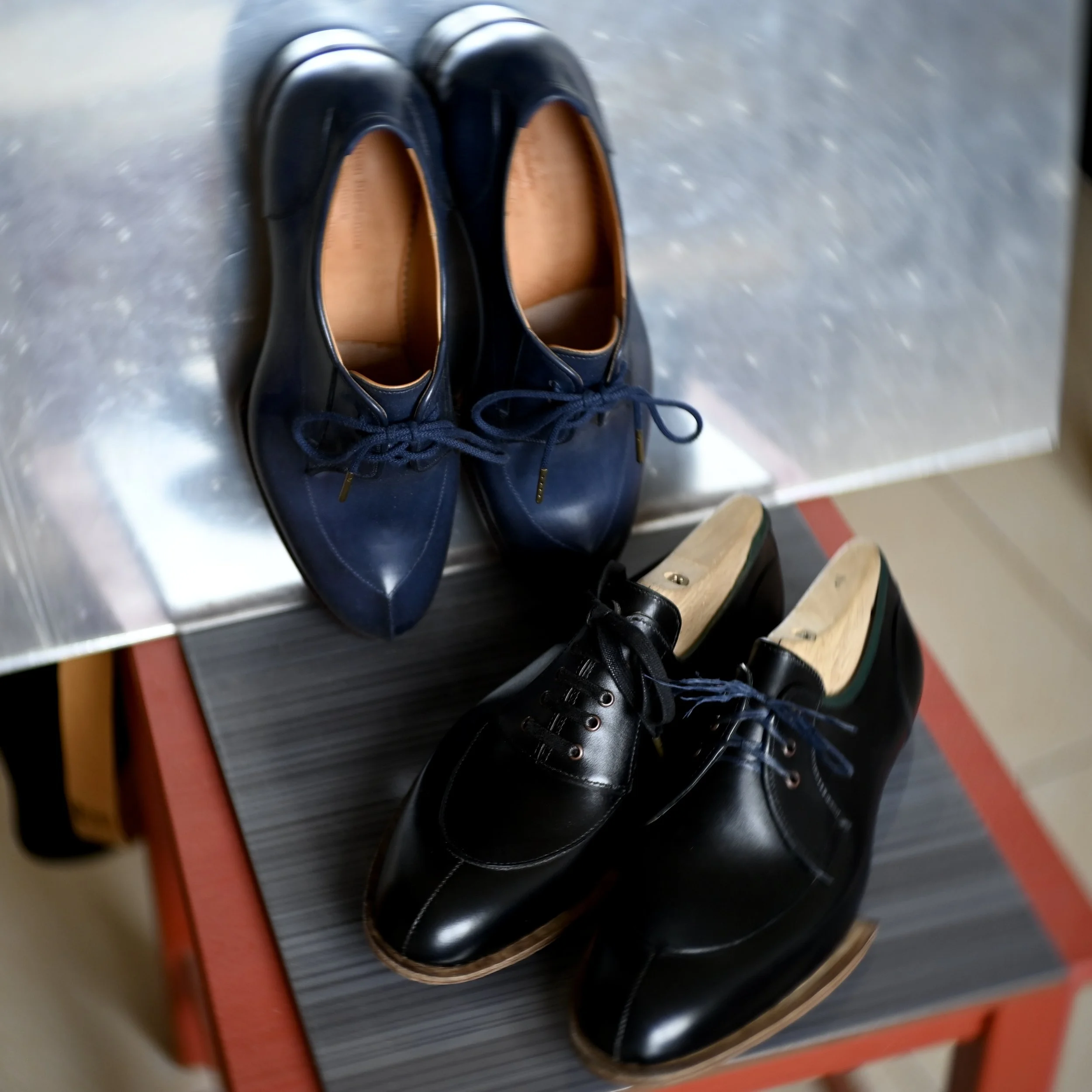
The time has come to address a problem rooted in my numerous prototypes and practical exercises. Creating a pair on an industrial scale is linked to the pursuit of complete symmetry. In bespoke shoemaking, it's reduced to merely a semblance of a mirror image. It's only in the craft of orthopedic footwear that we fully ignore it. But what happens when we indulge in breaking symmetry, treating the work as a form of creative expression that defies convention?
The Odd Pair
Although well-made, these shoes are not intended for wear. Besides providing an opportunity to test the fit on my own feet (I love this language), they serve solely as a visualization of ideas that came to me while working on the project for one of my clients. This pair perfectly aligns with my concept of exploring symmetry in shoemaking. It's taking it to the extreme.
Repairability
When I was involved in IT, ifixit.com was a reliable source due to their analysis of engineering thinking regarding repair options. In my current field of interest, Ken Hishinuma and his experience in shoe repair have played a similar role. After a period of exploiting creative passion and thirst for experimentation of mine, he drew my attention to this design aspect. In this blog post, I analyzed the influence of this element of product development—increasingly forgotten in our blindly consumerist age—on such decisions.

My Own Design Language
A defining characteristic of my craft is a vision for myself from my earliest days in the profession. I've never had any desire to copy anyone. I admire many shoemakers, but I separate this emotion from striving to become like my idols. Therefore, I'm proud of discovering my own style. Here are a few words about developing my own original solutions in upper making.
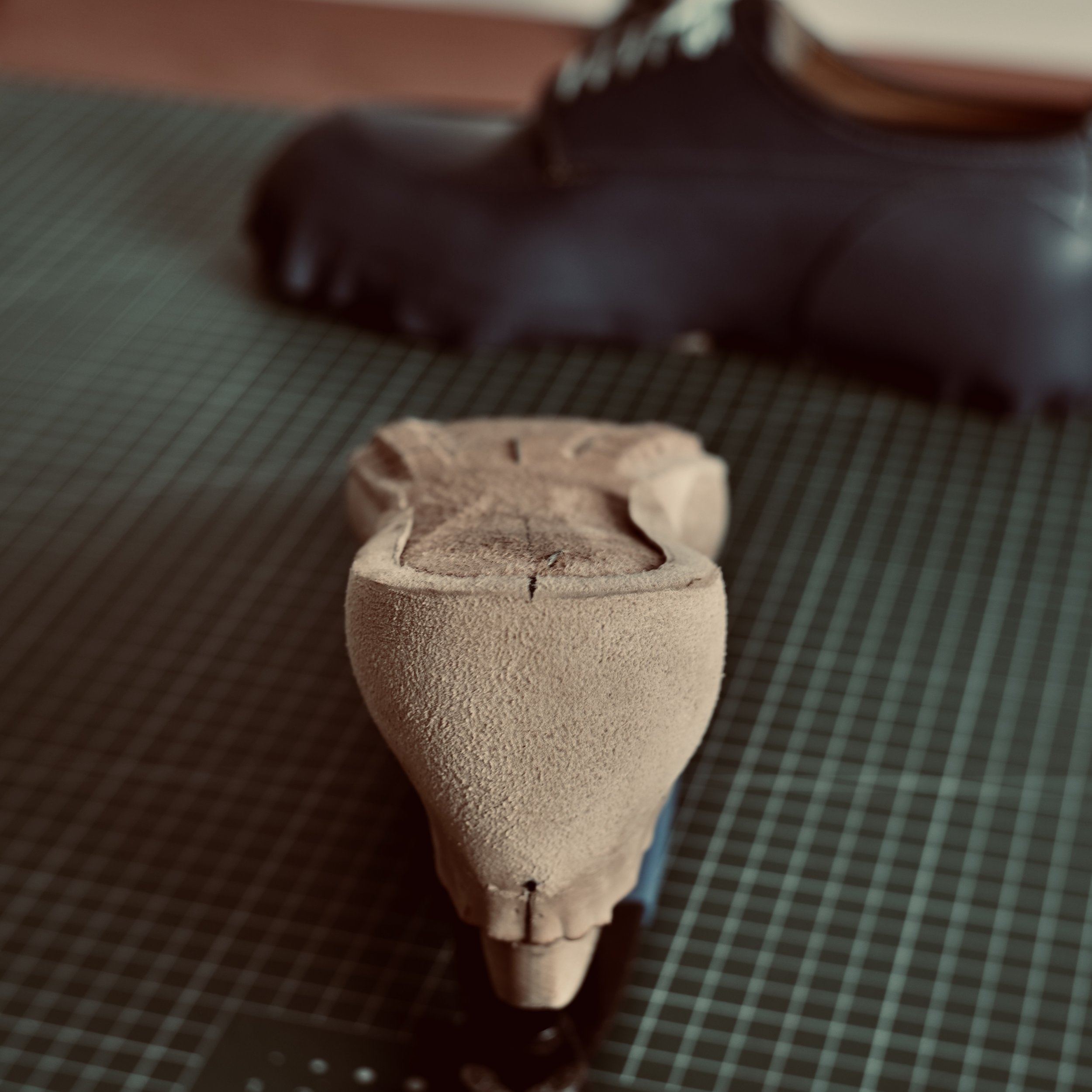
About the Importance of Stiffeners
This article is a companion piece to the third installment of Tutorials. It offers a bit more information on installing shoe stiffeners. I recognize a good shoemaker by two processes: preparing the insole for welting and the amount of work involved in installing the stiffeners. Here, I present my own method.
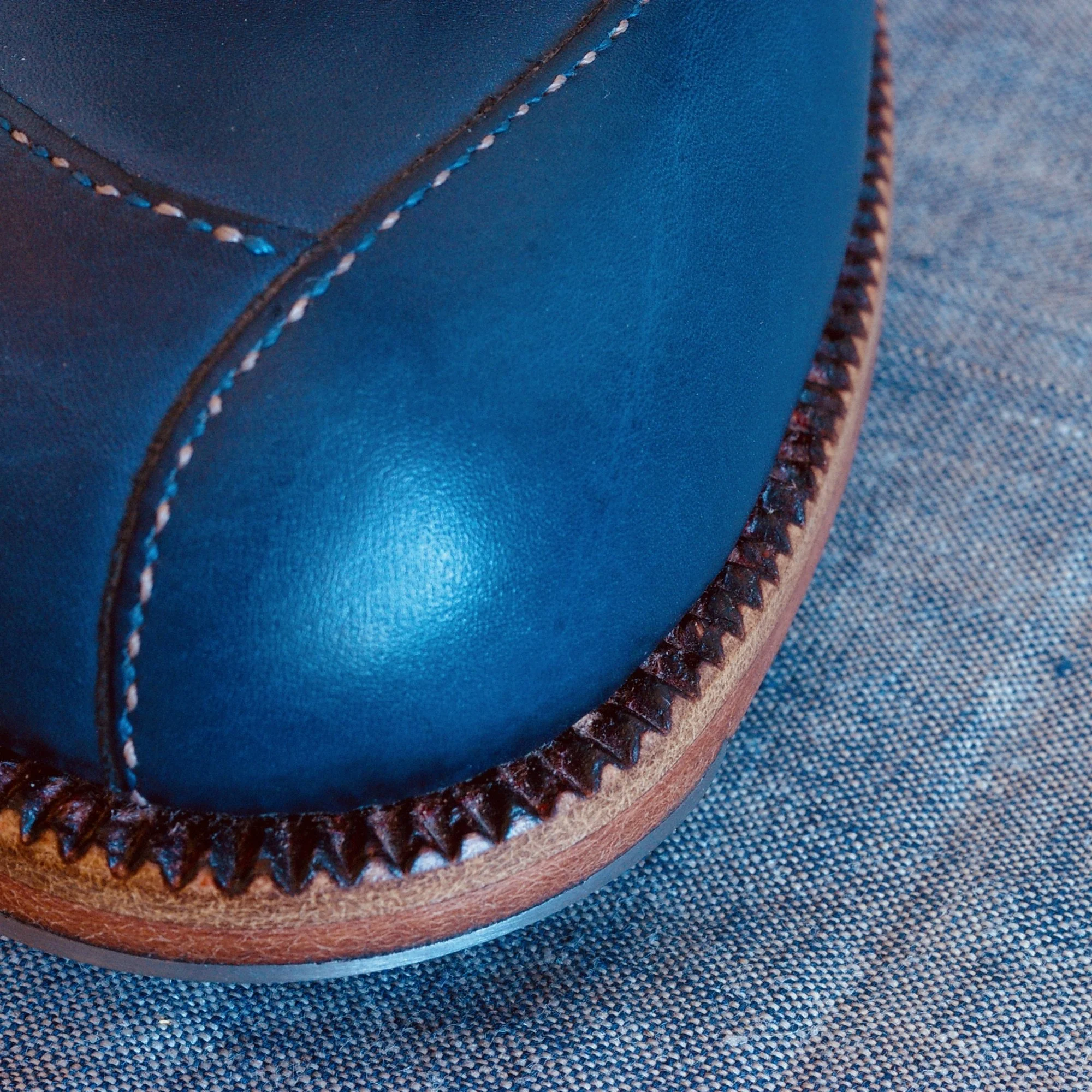
Towards Simplicity
As I weave this story about the history of my craft, we're getting closer to the premiere of my production-level work. So far, I've shown you a bit of the kitchen. Experimental works, prototypes, and so on. This year will be different…
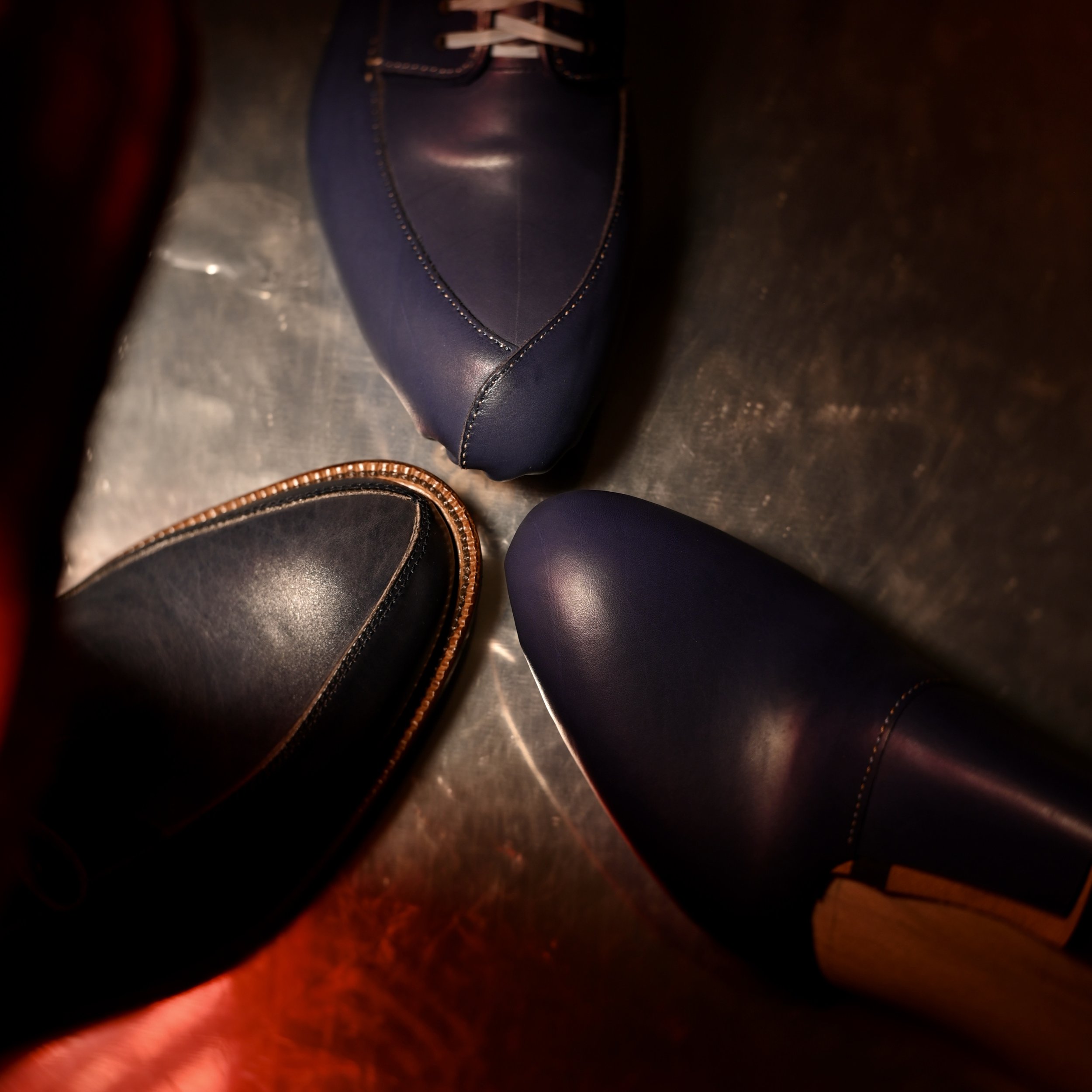
Three Generations
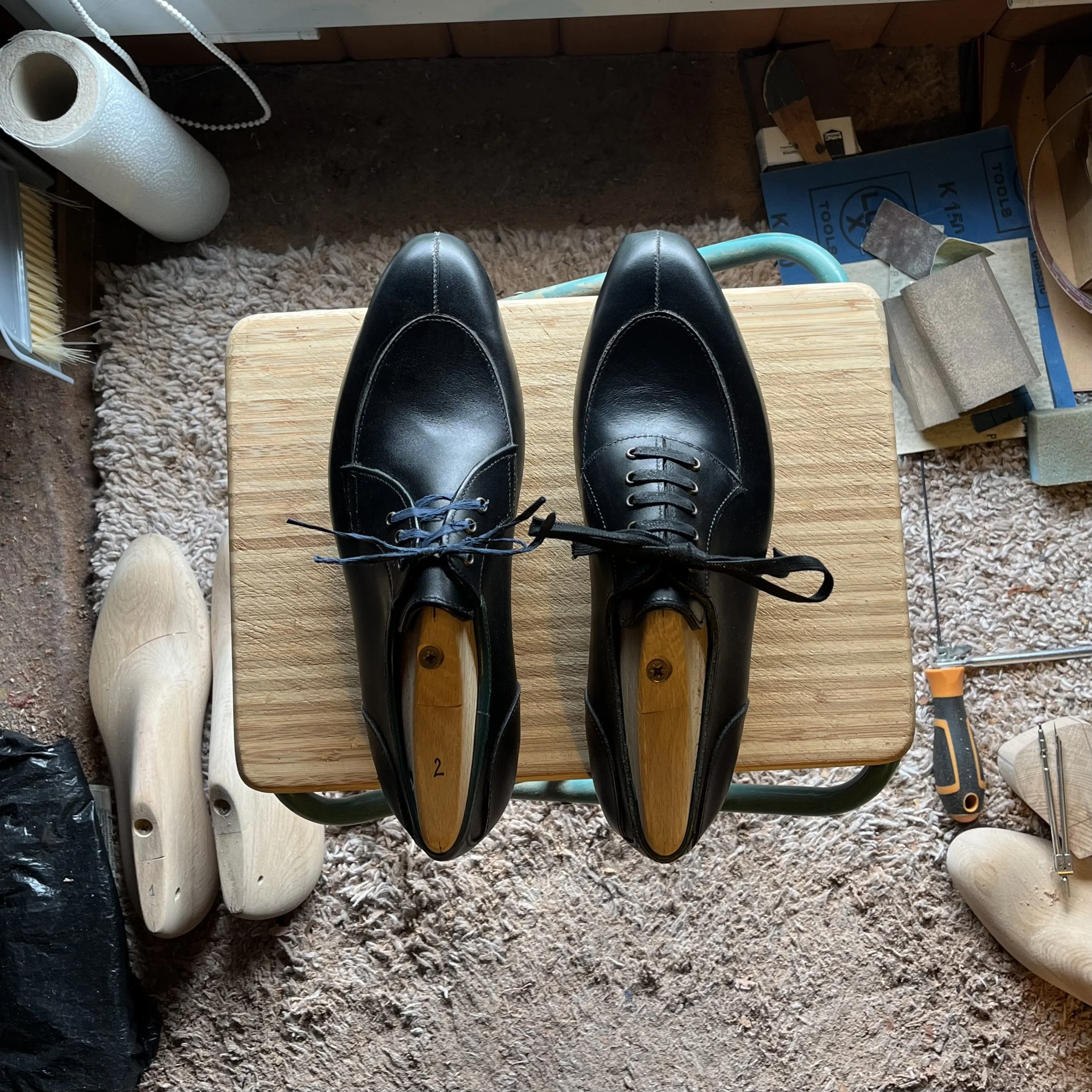
In our culture, we have a saying: "third time's a charm." There's much to suggest that working on this project subconsciously stems from our inherent cultural code. Or perhaps it's simply an emanation of an acquired tendency to seek for something fresh in my craft. In any case, the third prototype of derby shoes in navy blue calfskin is now being born, a design I've been poring over for two years. Here's the story behind this series of preparatory works.
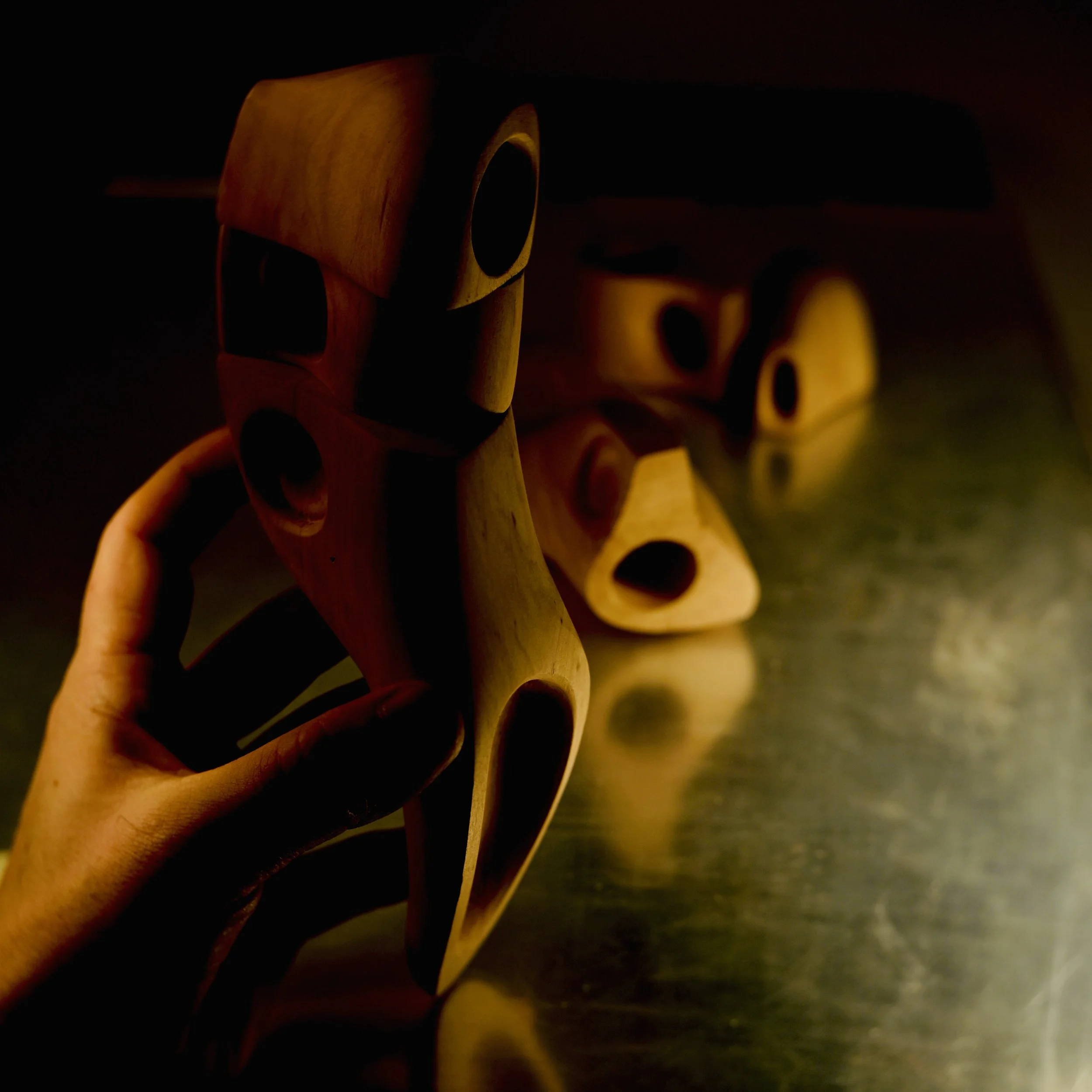
Lasted Shoe Trees
I include shoe trees with every pair of shoes. Generally, I don't accept pairs without shoe trees. I don't want to see them in any wardrobe! As with everything else, my shoe trees are unique. This is because I'm a last maker. Here are a few words about that.
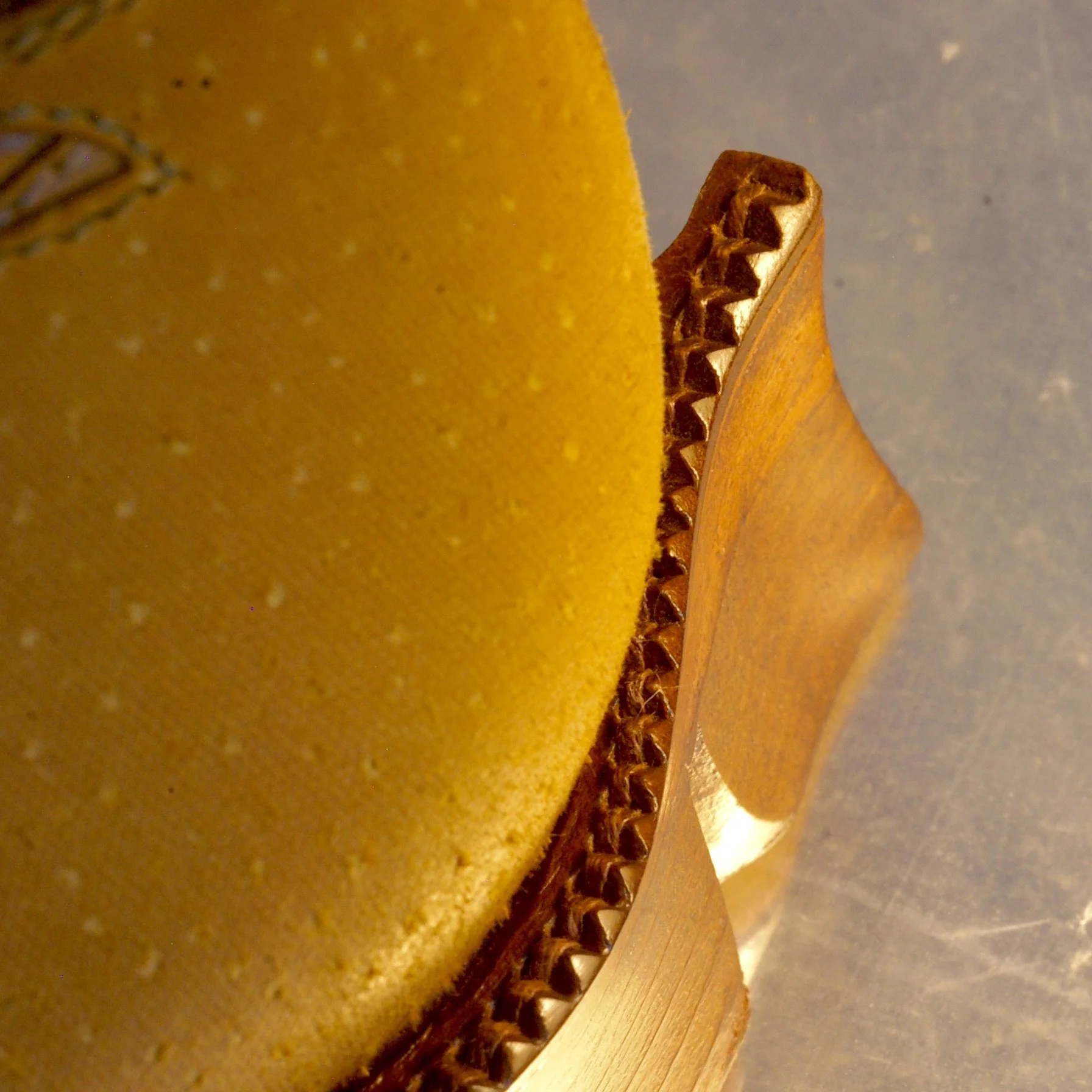
Practice Makes the Master
The second year of my website will bring a few new features. As you can see, my blog has maintained a strict publishing schedule throughout its first year. I think that's a good thing. However, I will be making some minor changes. Here's more on that, along with a few words about one of my training projects.
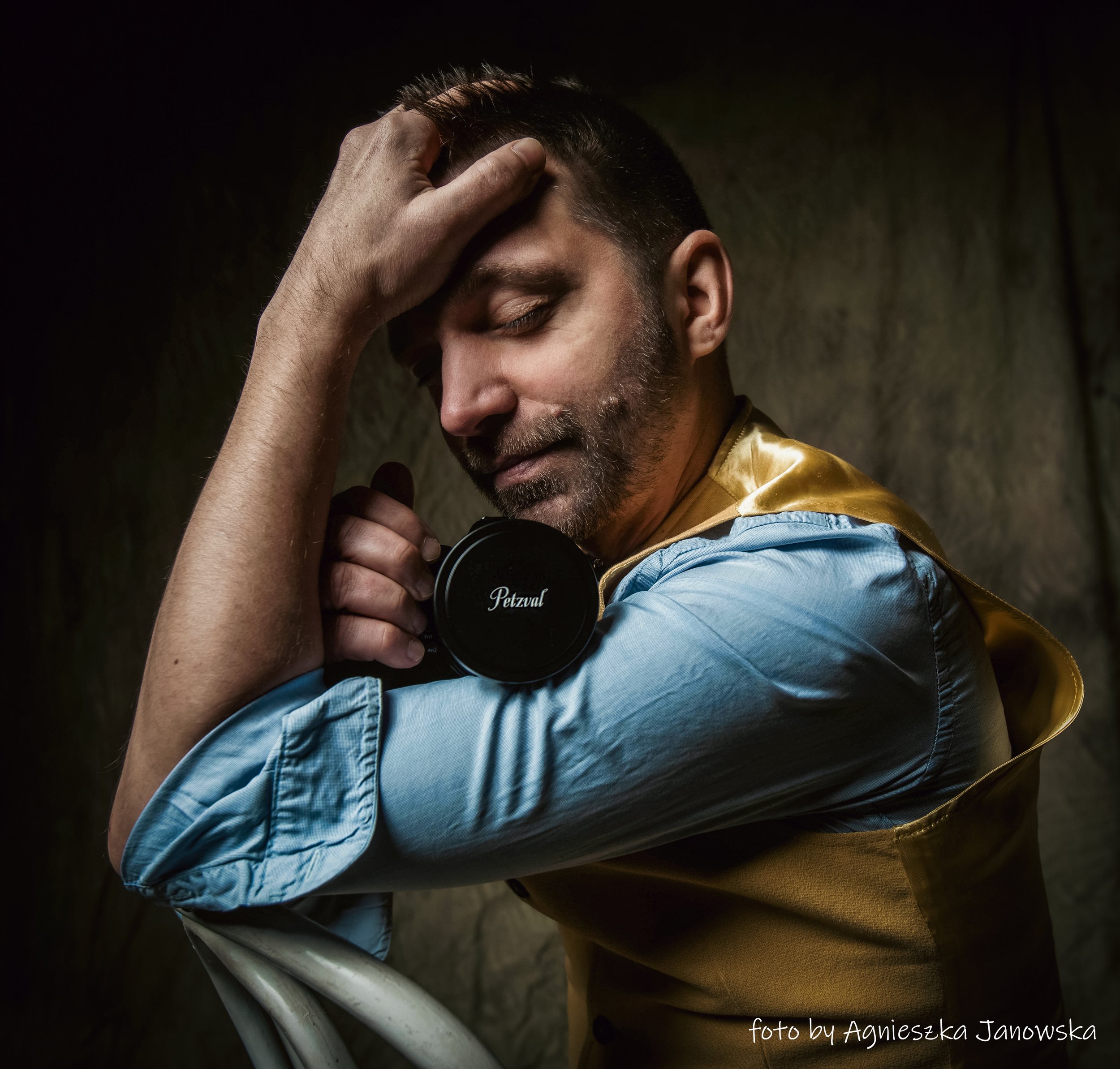
The first year
A year ago, for the first time in my life, I decided to create my own website. Previously, among other online activities, I had been writing blogs. From that perspective, running my own website is certainly a lot of fun. Here are a few more words about this endeavor.
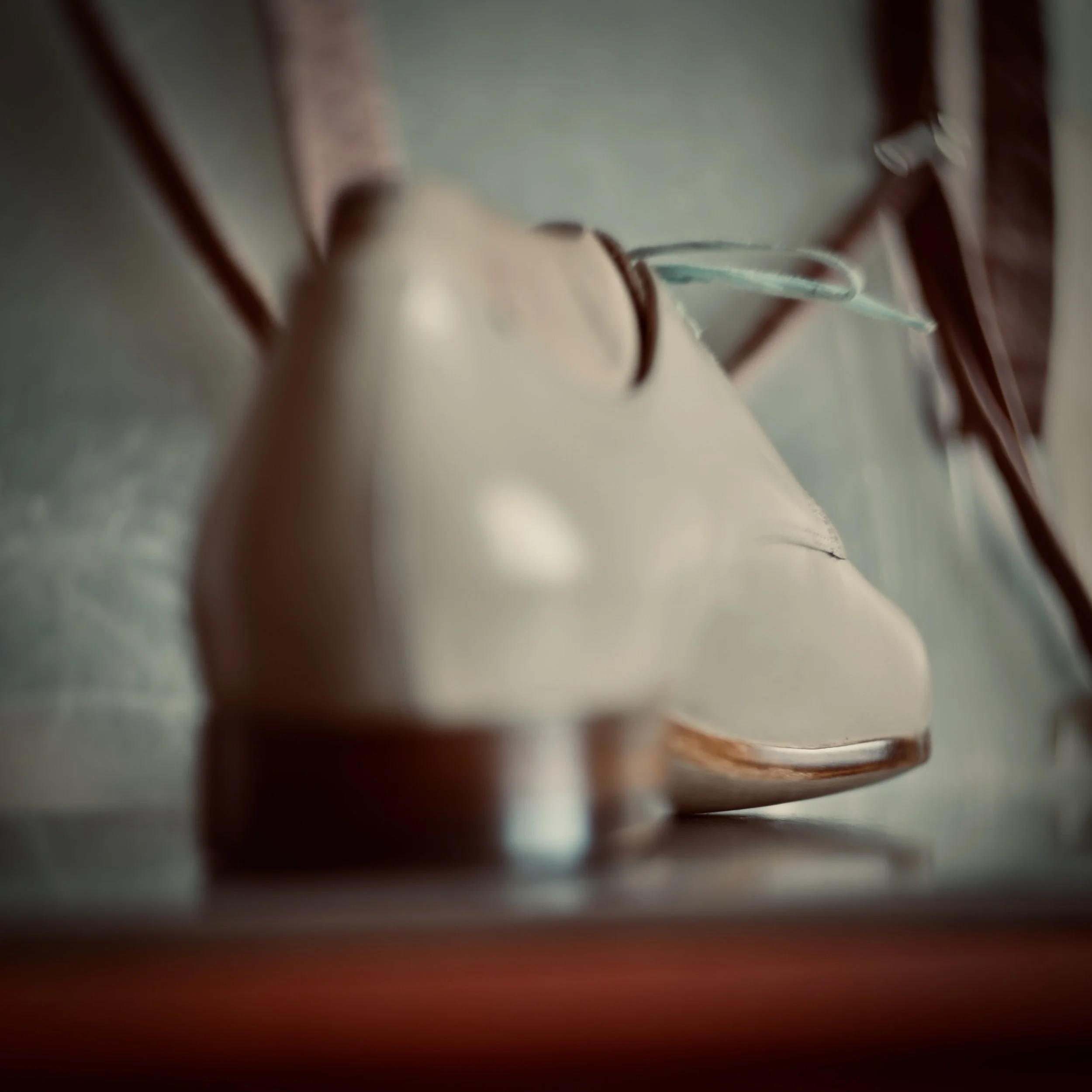
Simplicity
What do you do when you want to tone down practically everything? This is what! I present to you simple, clean lines, a muted color palette, and a plain, classic design. Combined with a painfully simple construction, this pair is the perfect companion for getting out and putting the trash bag where it belongs. Classy!
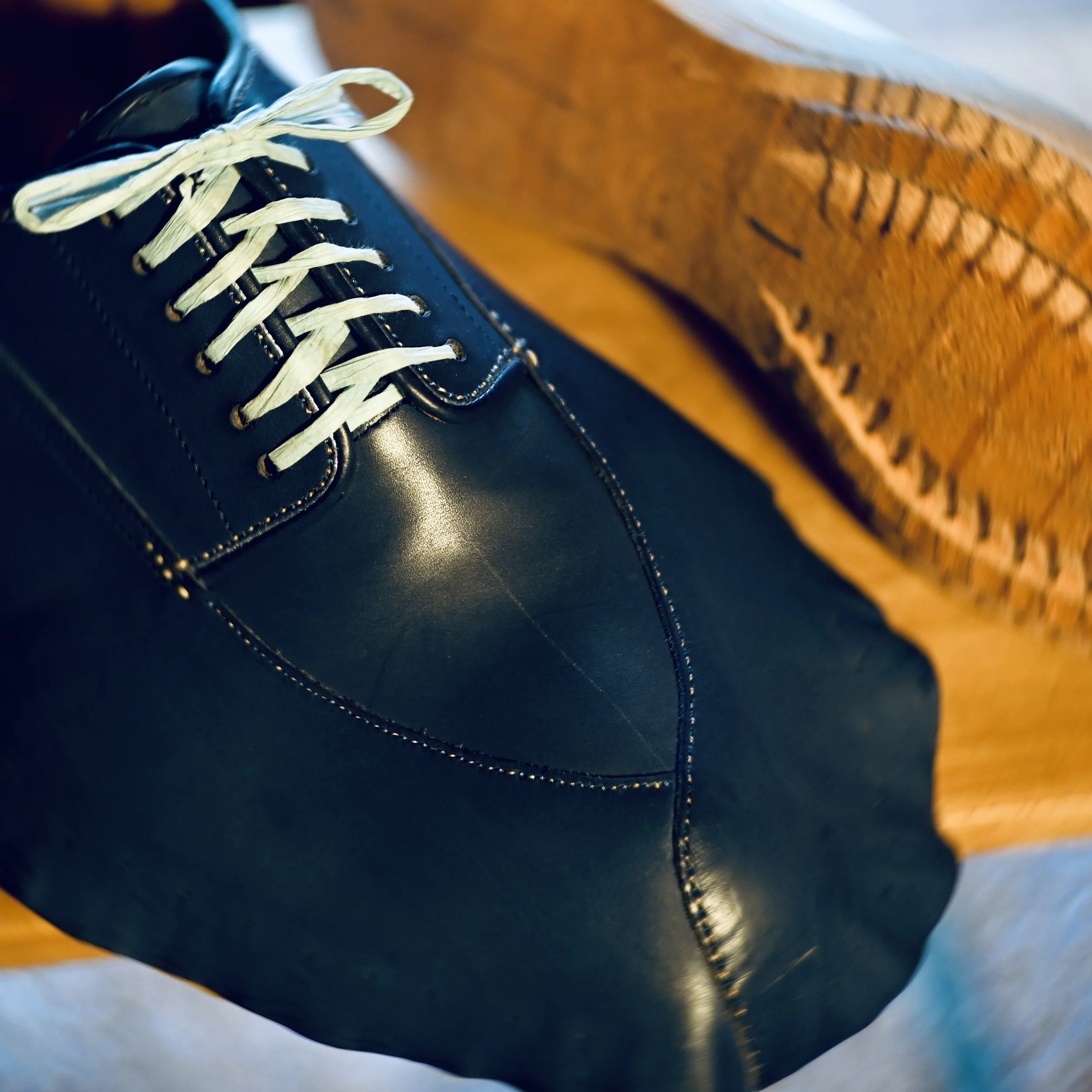
Integrations
I like to describe my uppers as being made to fit the last of the shoe. This involves fitting a single piece of the upper directly to the last before assembling it into a larger module. Let's explore this concept in more detail.
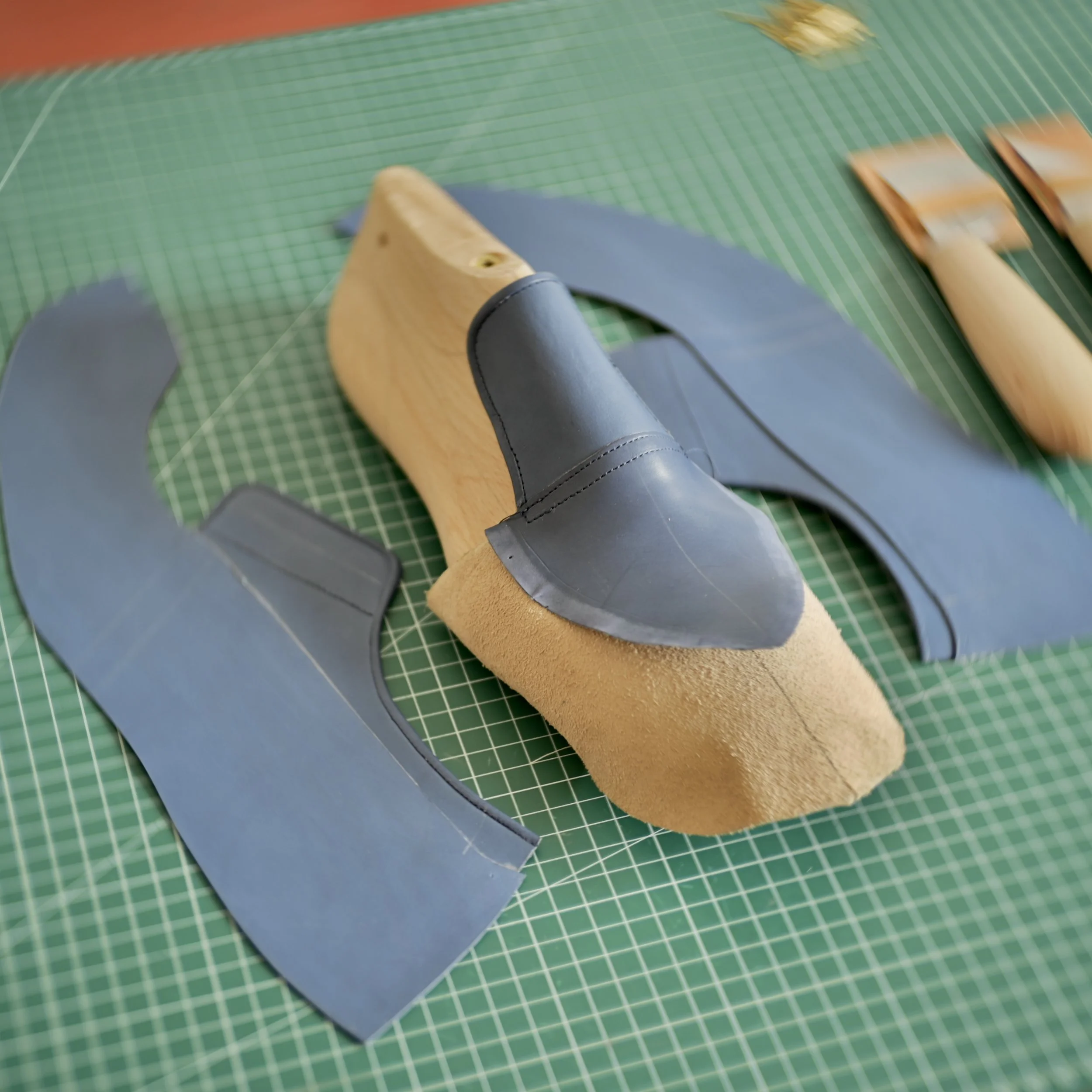
Considerations
Creating the second prototype of derby shoes has been the most thoughtful process of my career to date. It's a preparatory stage, usually undertaken when creating pairs for fitting. The first prototype provided a good indication of what would come next. Now I'm introducing new elements to the design.
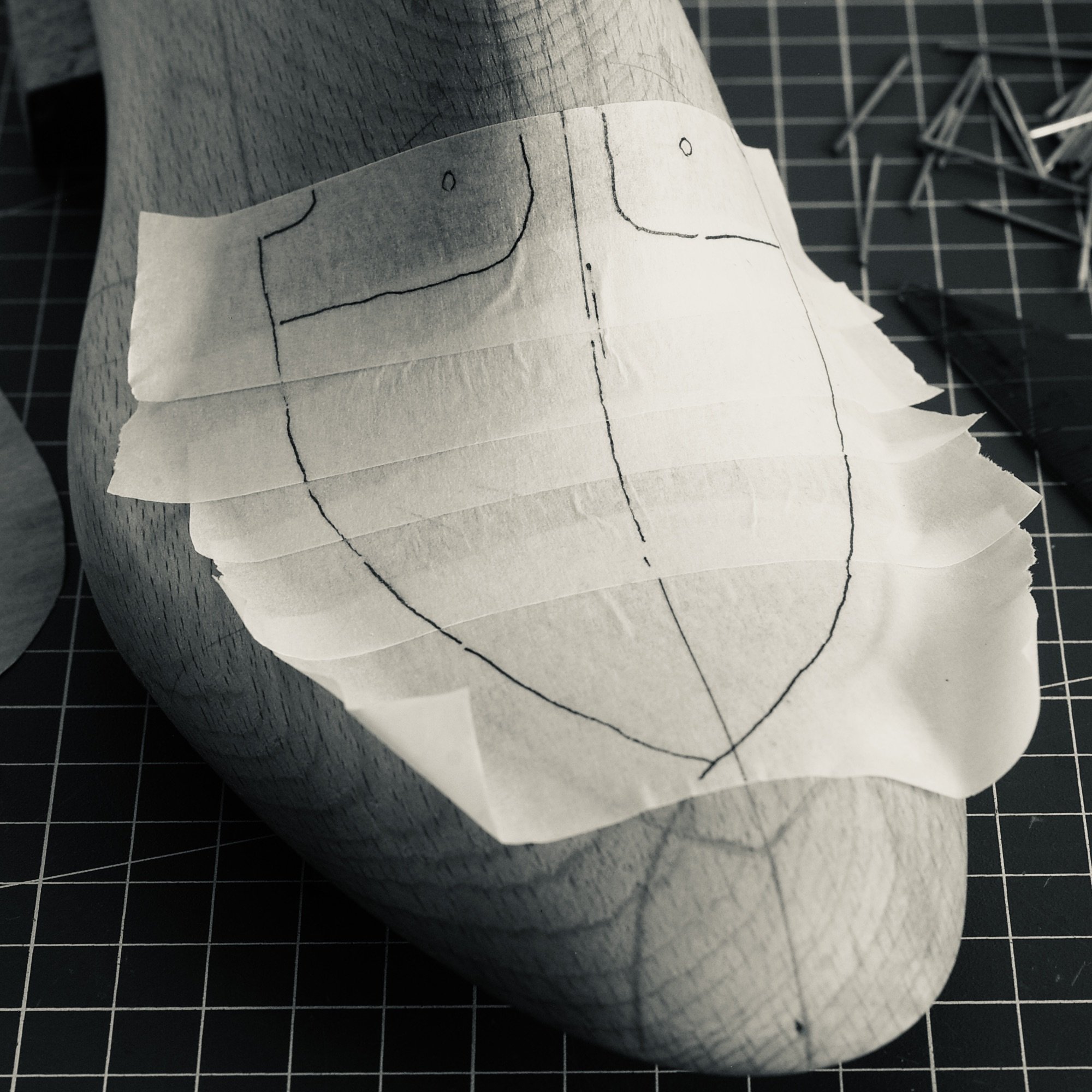
Iterations
One of the best things about my job is that I can take my time. This particular project is a perfect example of that. It's also a unique opportunity because my client and I are almost the same size. This allows me to "test drive" the shoe before I send him the final pair. It's also a great opportunity to show you how my mind works.
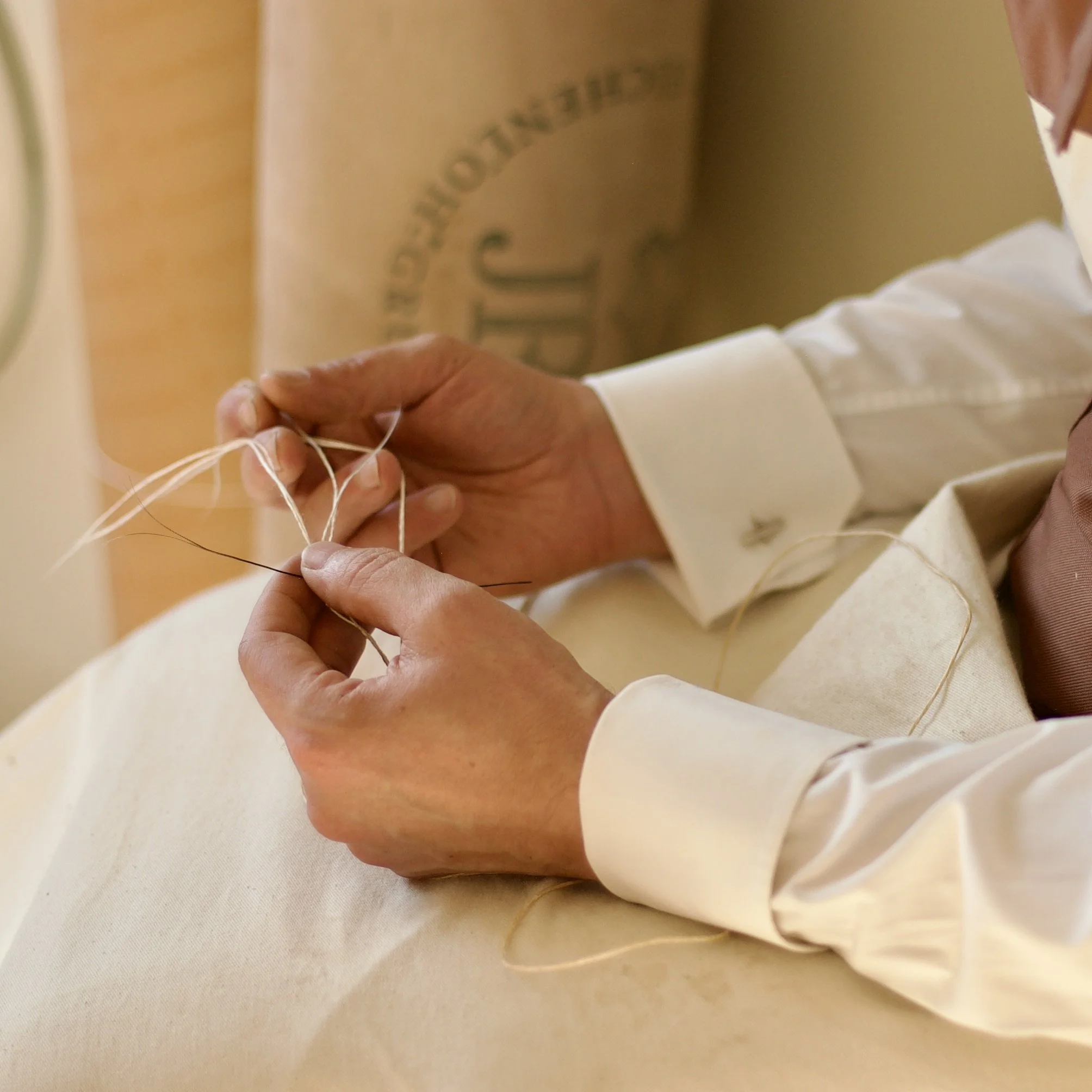
Spirituality
This post is for all shoemaking enthusiasts. I was directly inspired by a video produced by Kirby Allison's team, illustrating the shoemaking process at John Lobb London. I know you enjoy watching this kind of stuff. I know you enjoy Ken Kataoka's Siroeno Yosui as much as I do. Whatever you do, whoever you are, we share the same passion and appreciate the magic of shoemaking.
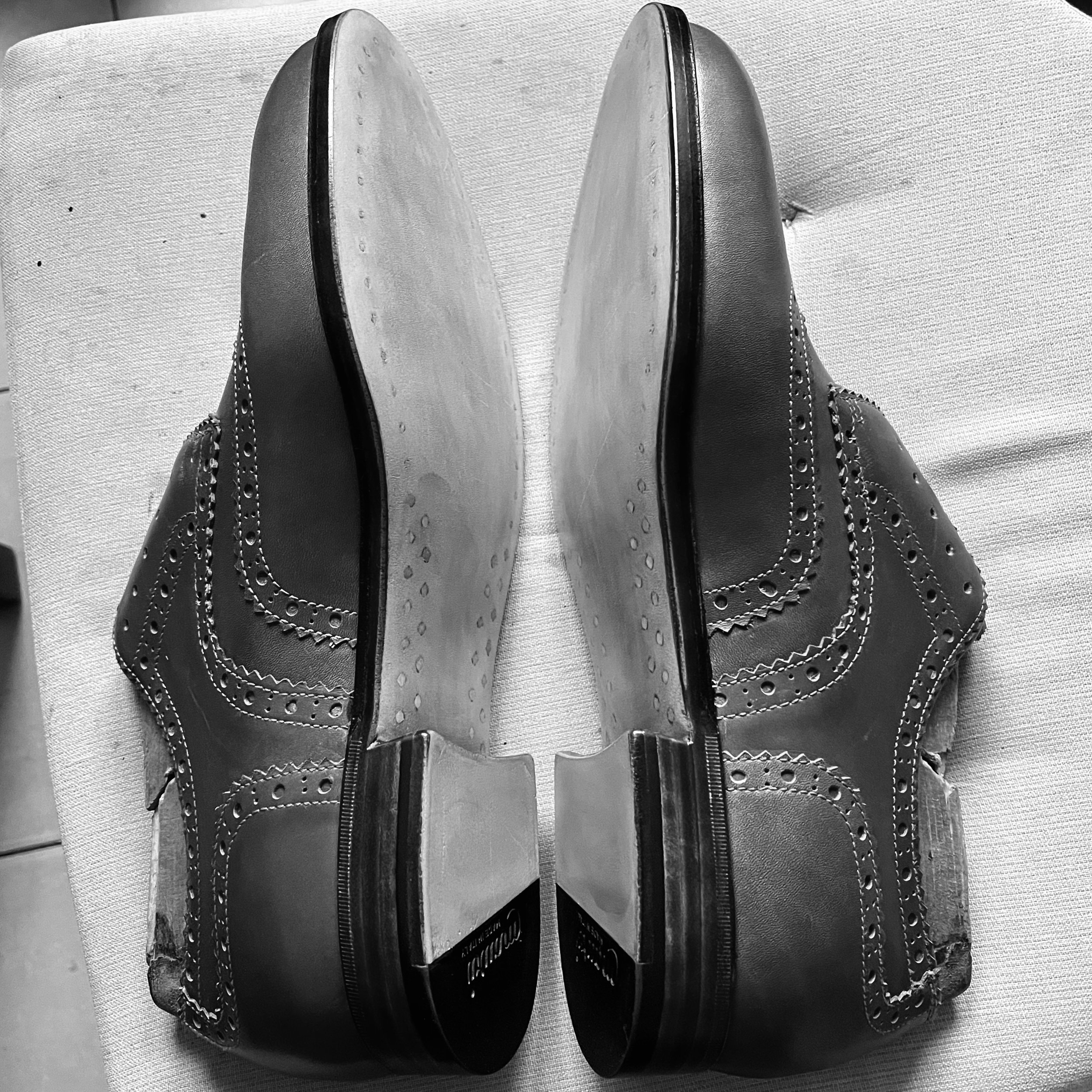
A bottom maker
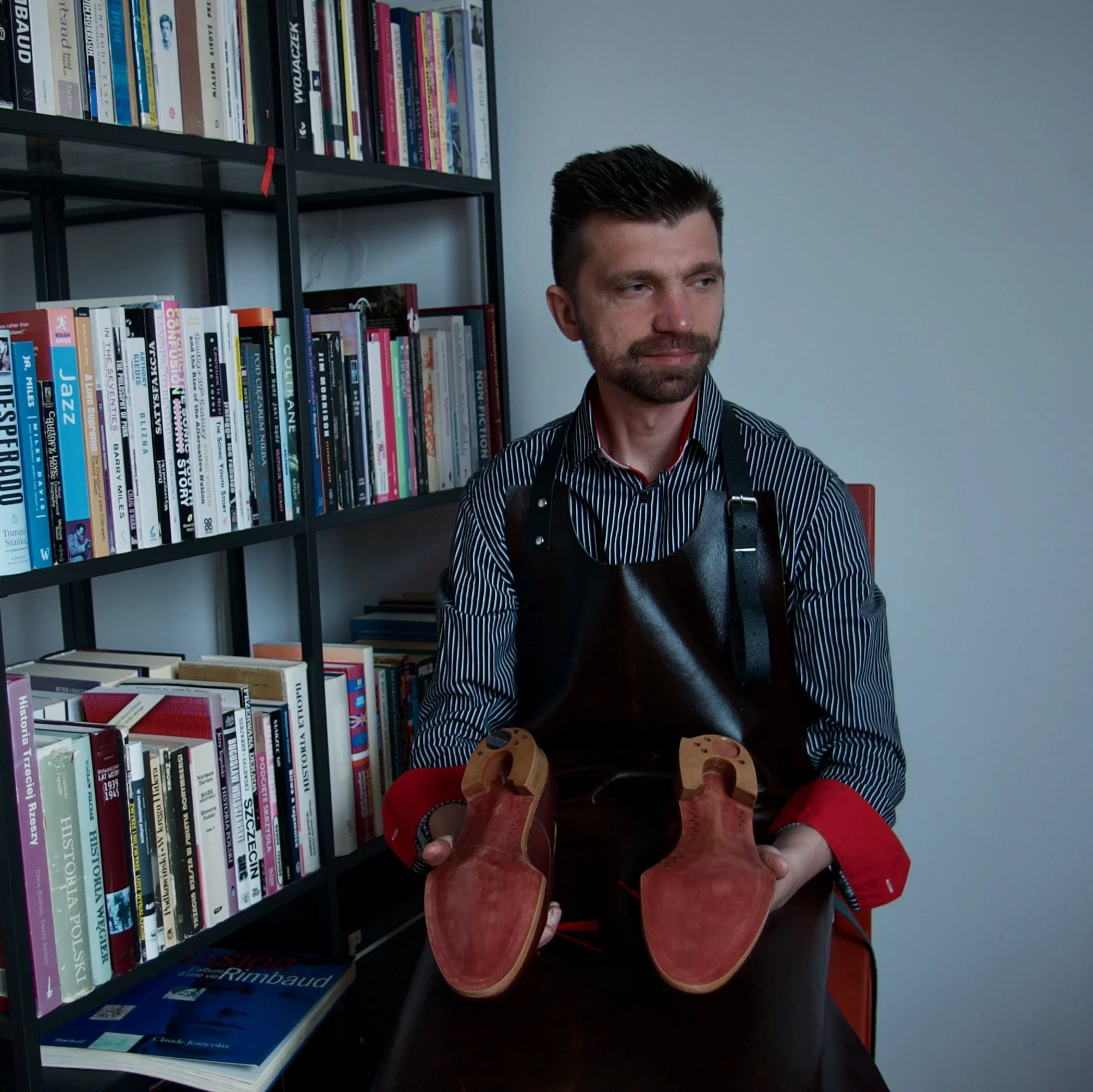
I work full-time as a shoemaker in one of the oldest and best shoemaking workshops in Warsaw. Essentially, bottom making job is what a shoemaker does. In my free time, I work on my own custom designs. I make lasts, uppers, bottoms, lasted shoe trees, custom shoe bags, and packaging. There are maybe five other people in Poland who do this. I think I can offer a solid opinion on this profession. Making bottoms is far more complex than any other area of shoemaking.
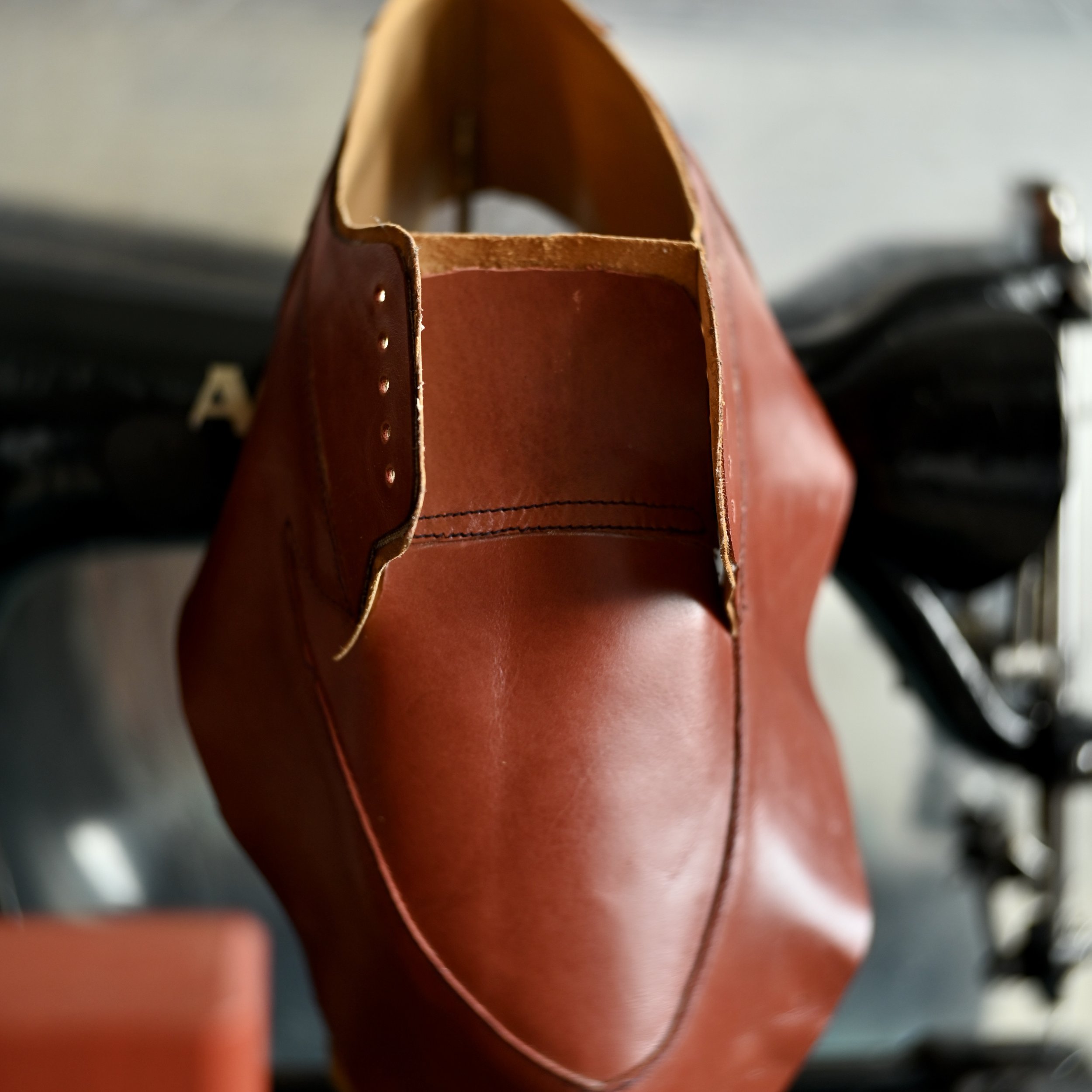
Mockups
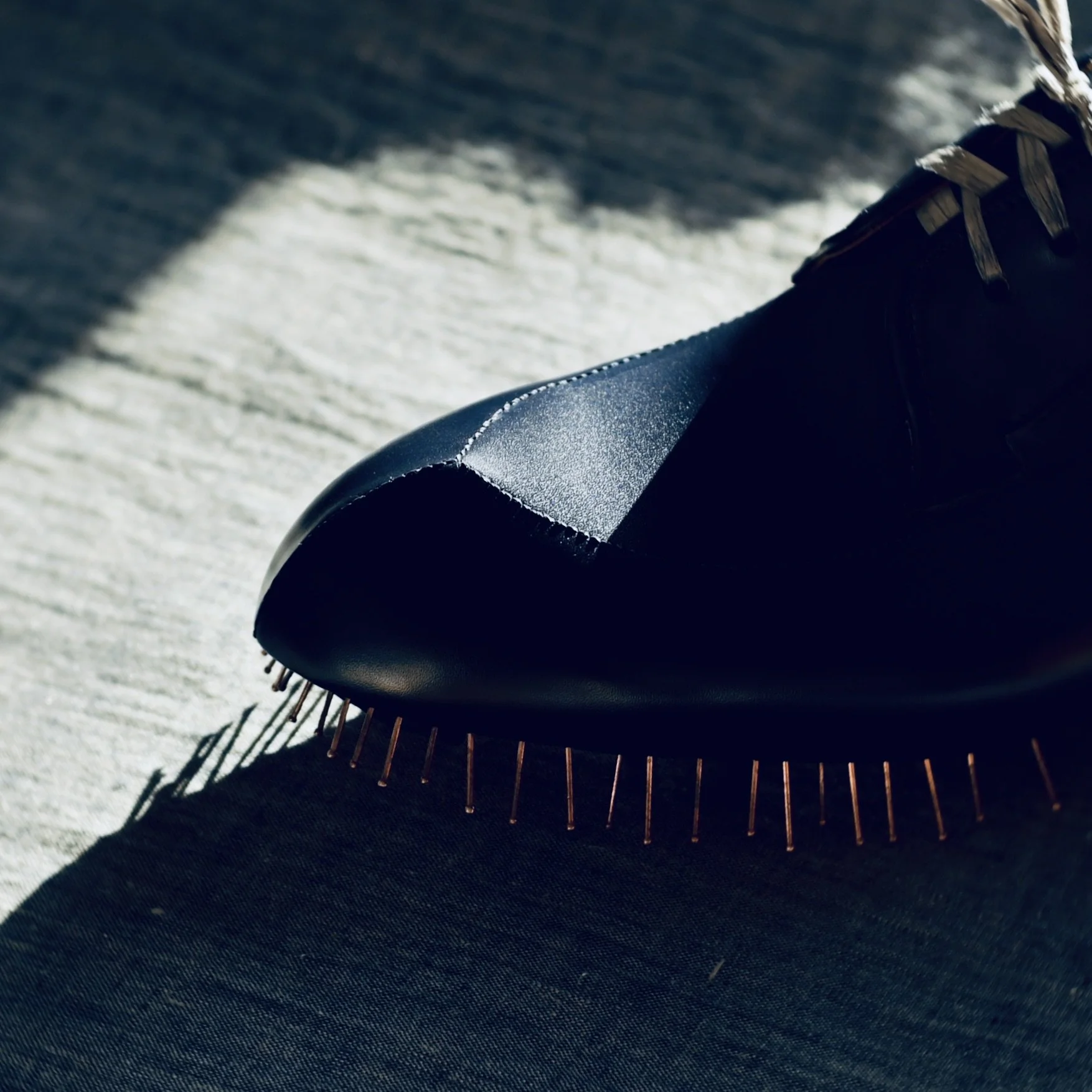
The upper-making process is the most challenging for me. It usually involves three distinct production stages. In a previous blog post, we discussed an early version of the upper design, where I already have the basic patterns ready. But before that happens, I need a mock-up. This allows me to properly check the pattern.
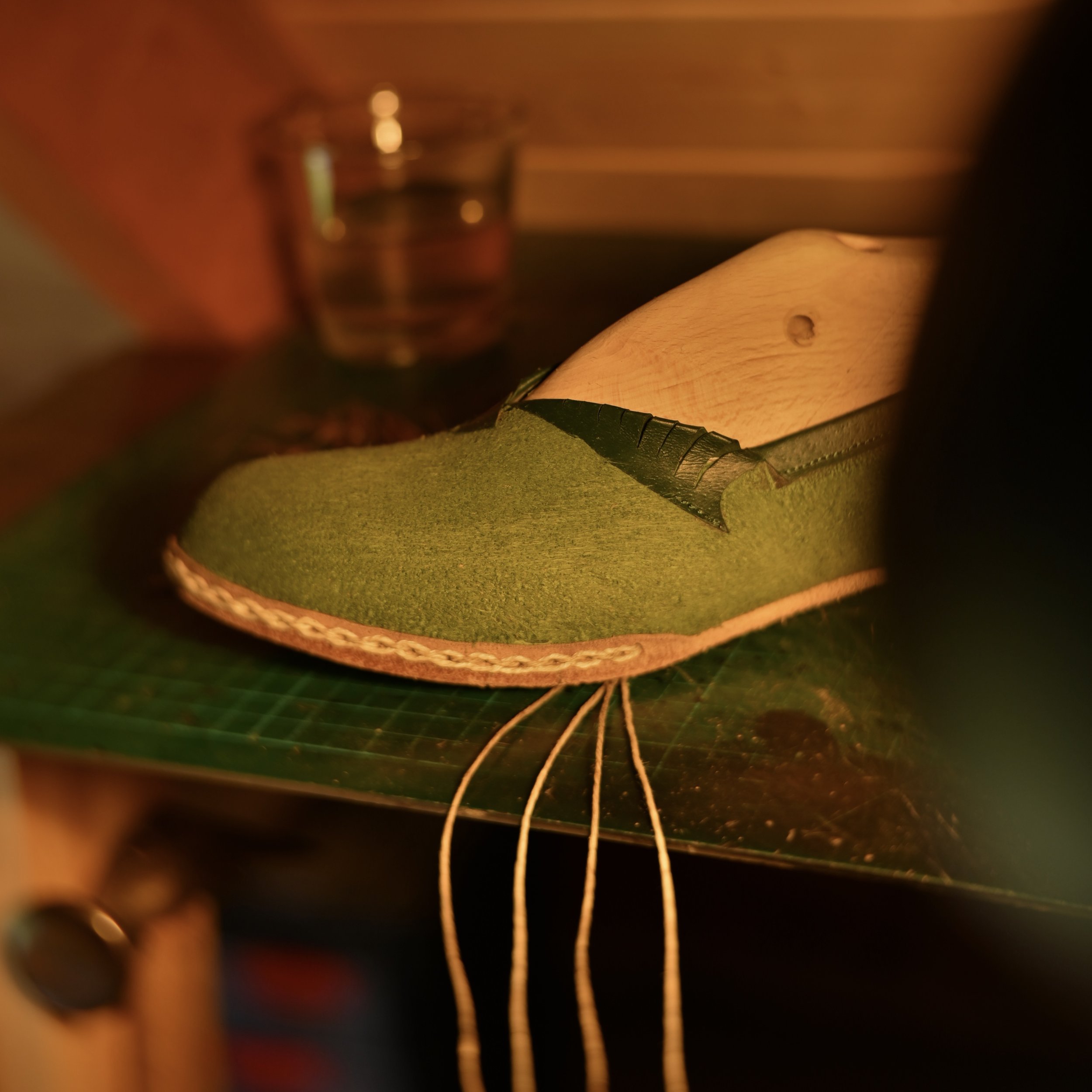
Making the Prototype
This is a good time to revisit my wholecut pumps project. The opportunity presents a conversation about the always interesting process of prototyping. They're essential to my workflow, as I constantly ask myself and seek answers to a question that haunts me: "Why is it made this way?" Let's take a closer look at this.
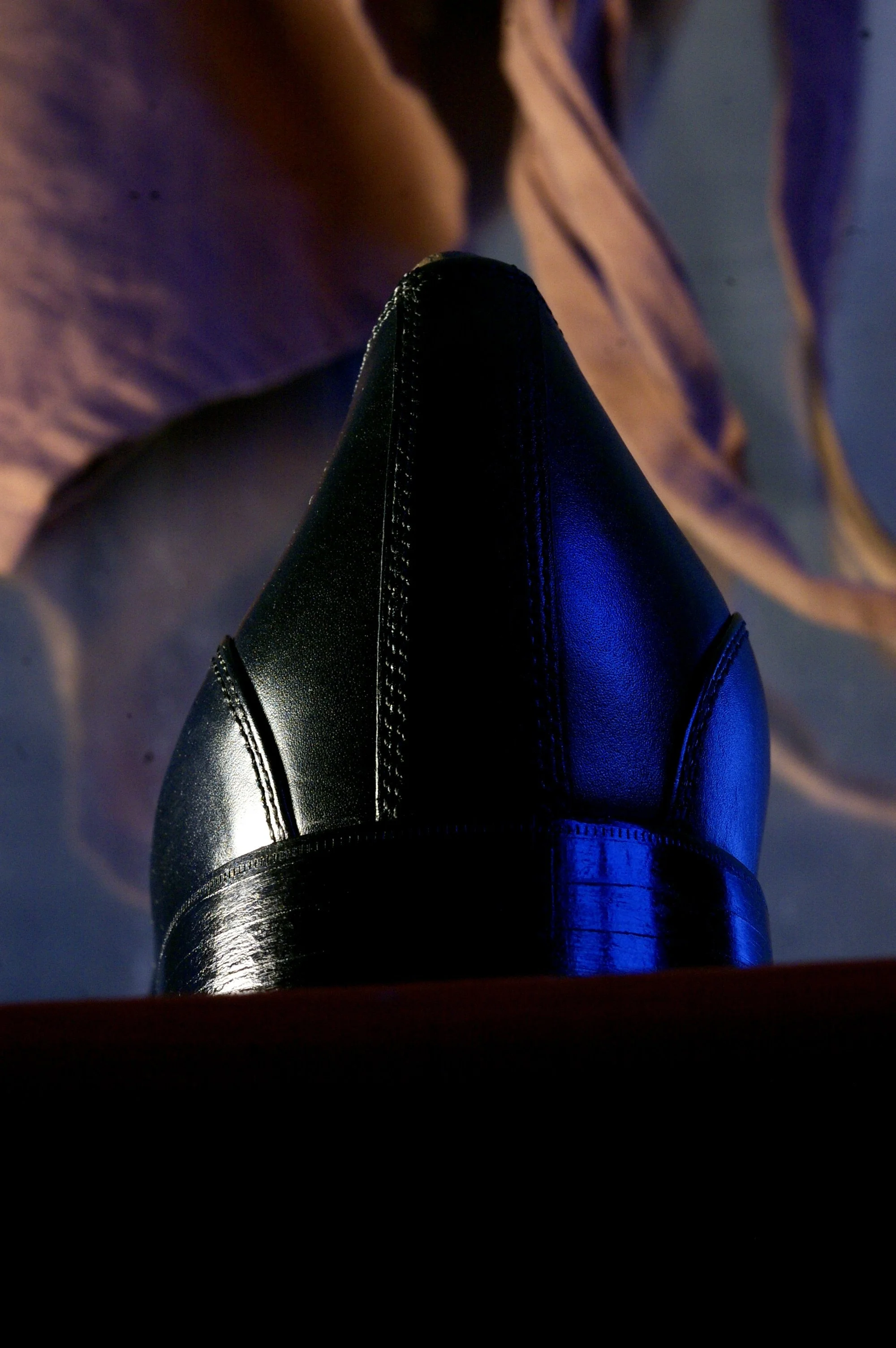
The Beauty of Lines
Why is my work called classic shoemaking? What are the hallmarks of a classic pair of shoes? Well, let's find out! It's not without reason that I call my approach "classic with a twist." This post is about my own interpretation of style in shoemaking. Presenting your uniqueness is key to establishing your position in the market.